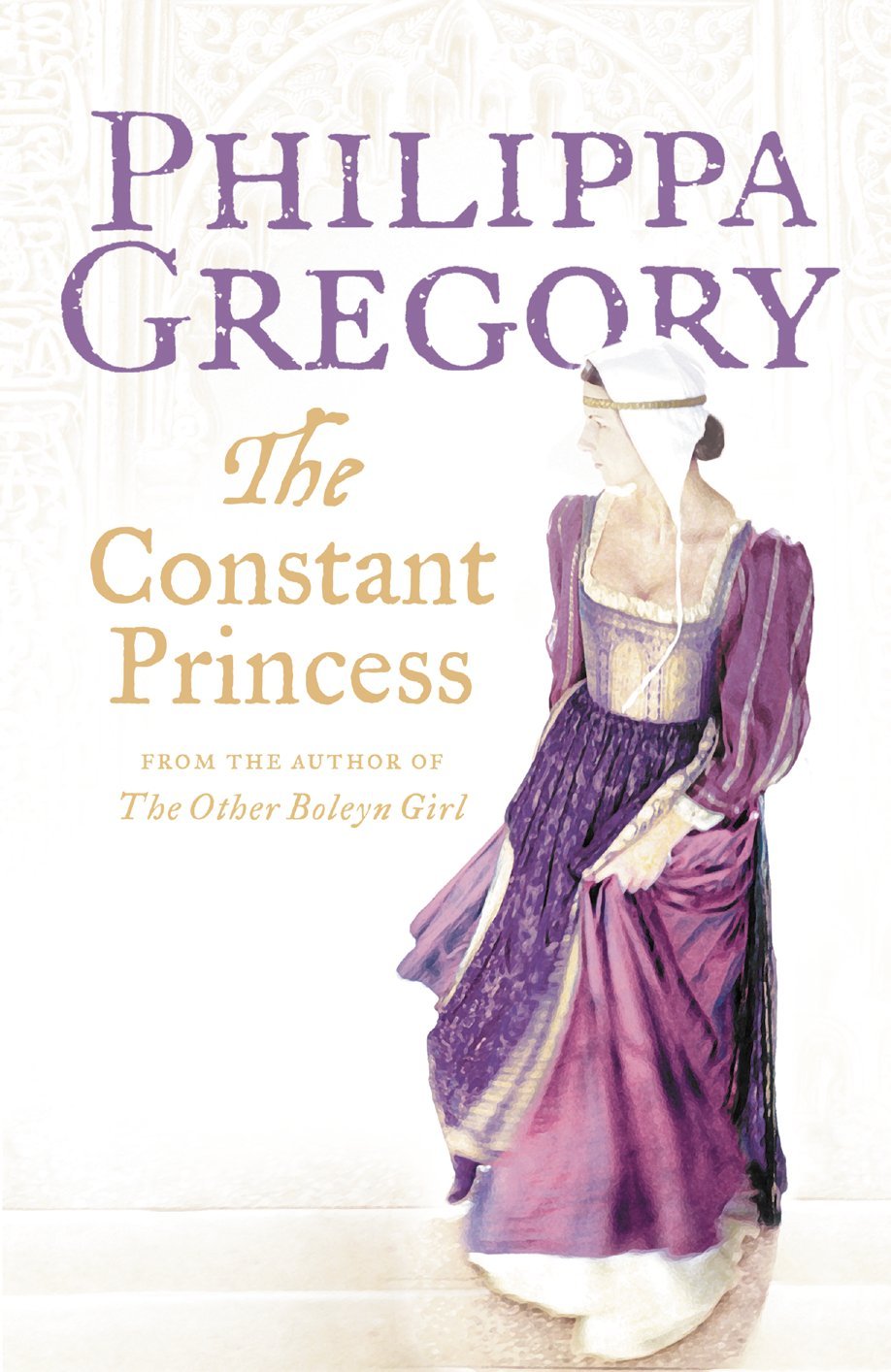
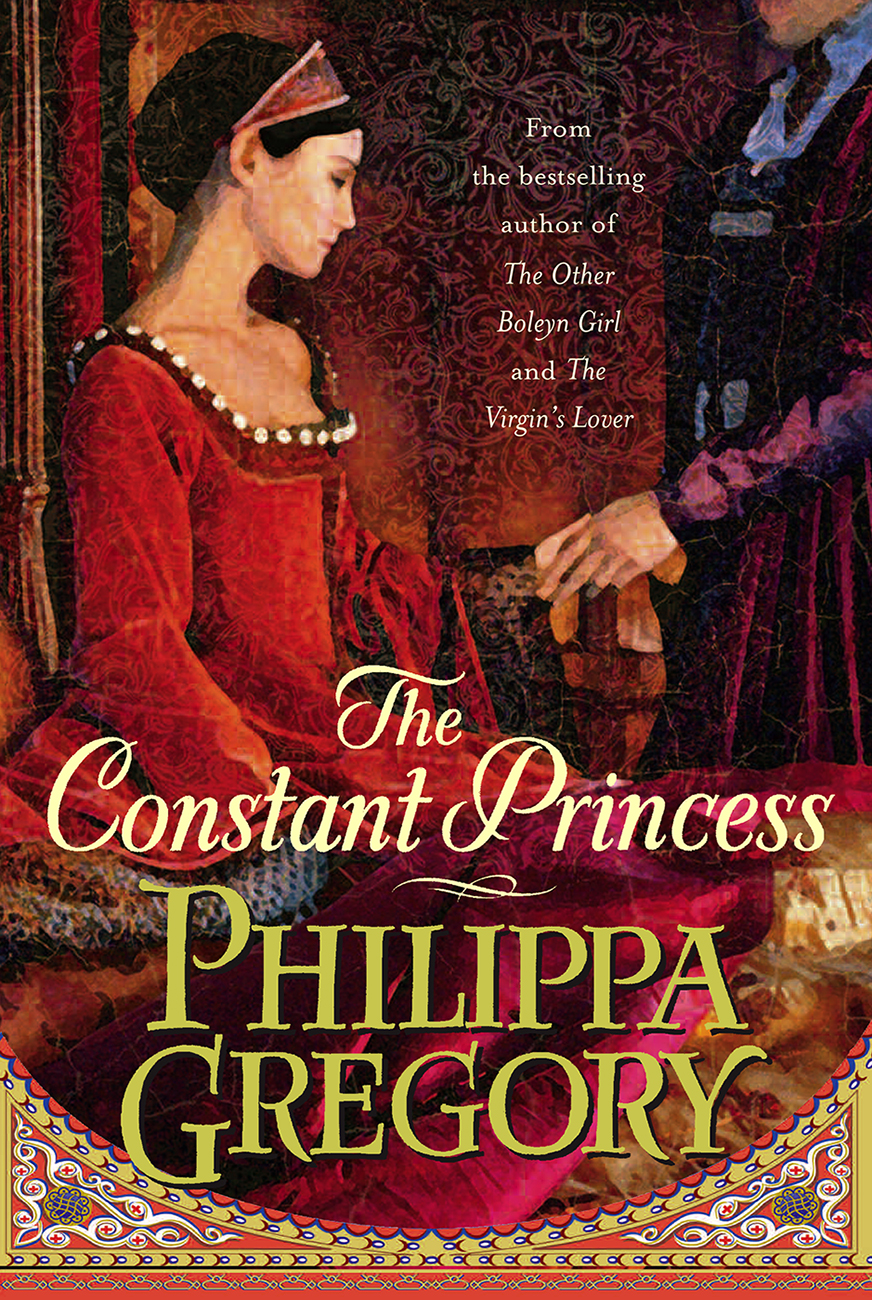
Splendid and sumptuous historical novel from this internationally bestselling author, telling of the early life of Katherine of Aragon.
We think of her as the barren wife of a notorious king; but behind this legacy lies a fascinating story. Katherine of Aragon is born Catalina, the Spanish Infanta, to parents who are both rulers and warriors. Aged four, she is betrothed to Arthur, Prince of Wales, and is raised to be Queen of England. She is never in doubt that it is her destiny to rule that far-off, wet, cold land. Her faith is tested when her prospective father-in-law greets her arrival in her new country with a great insult; Arthur seems little better than a boy; the food is strange and the customs coarse.
Slowly she adapts to the first Tudor court, and life as Arthur’s wife grows ever more bearable. But when the studious young man dies, she is left to make her own future: how can she now be queen, and found a dynasty? Only by marrying Arthur’s young brother, the sunny but spoilt Henry.
His father and grandmother are against it; her powerful parents prove little use. Yet Katherine is her mother’s daughter and her fighting spirit is strong. She will do anything to achieve her aim; even if it means telling the greatest lie, and holding to it.
Philippa Gregory proves yet again that behind the apparently familiar face of history lies an astonishing story: of women warriors influencing the future of Europe, of revered heroes making deep mistakes, and of an untold love story which changes the fate of a nation.
Released in 2005
The story of Katherine of Aragon who is very neglected by historians, but who was the longest-serving wife of Henry VIII, and who helped him to take the throne and learn the trade of kingship. I was fascinated by her background, I travelled to Granada to see for myself her childhood home, the beautiful Alhambra palace, and I became certain that the young woman that she became was far more interesting and active than the picture we have of her of the 'old woman' that would be replaced by the 'young mistress'. Deliberately I ended the novel at the moment of her greatest triumph when she was a successful queen militant as her mother Isabella of Spain had been.
Book opens in 1491
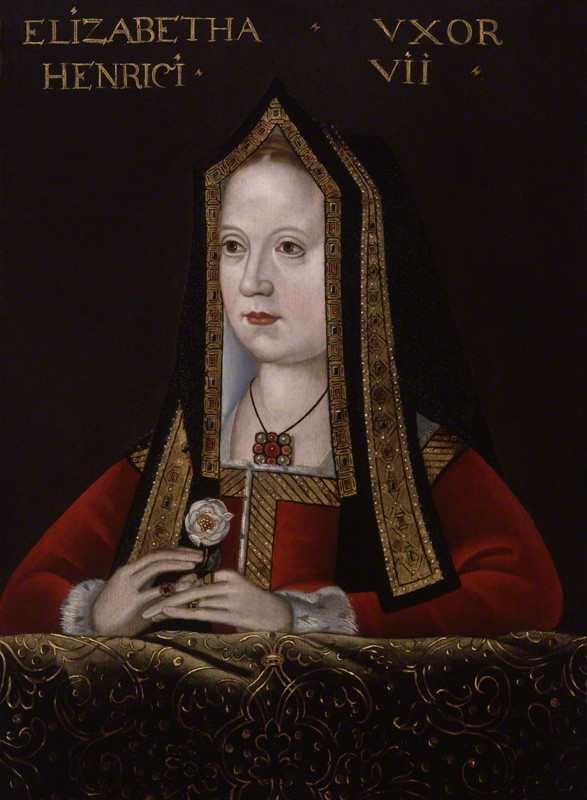
Henry Tudor and Elizabeth of York's son Arthur Tudor, Prince of Wales is betrothed to the Spanish Princess Katherine of Aragon. But Arthur's sudden death, followed by his mother's, leaves Henry Tudor with a difficult to decision, to marry his son's wife himself or to arrange her marriage to his younger son.
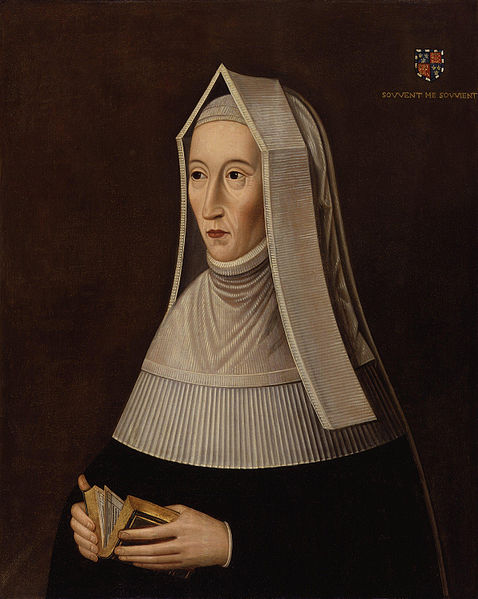
Related Characters





Downloads
Reviews
"This fascinating portrait of a proud, intelligent, and passionate woman captures the political turmoil of the era."
Library Journal
"Another terrific novel....Portrays the lies, deceit, and behind-the-scenes manipulations at the Tudor court."
Romance Reviews Today
"one of my favorite historical novels....focuses on a compelling time period and an even more compelling protagonist....Philippa Gregory is a genius... well researched and immensely entertaining... will keep you interested long after the final page"
Confessions of a Book Addict Full Review
"compellingly dramatizes how Catalina uses her faith, her cunning and her utter belief in destiny to reclaim her rightful title....a thorough, sympathetic portrait"
Publishers Weekly Full Review
"the way that Gregory tells the story is a wonder....magnificent....a terrific book and a must read."
Historical Novel Society Full Review
"One of Gregory's great strengths as a novelist is her ability to take familiar historical figures and flesh them into living breathing human beings. The Constant Princess is a worthy successor to her previous novels about the Tudors"
Daily Express
"Gregory is great at conjuring a Tudor film-set of gorgeous gowns and golden-plattered dining. She invokes some swoonsome images....while the politics are personal enough to remain pertinent."
Daily Telegraph
"Gregory brings to life the sights, smells, textures and emotional landscapes of 16th-century England."
Kate Mosse, Financial Times Full Review
"Gregory's research is impeccable which makes her imaginative fiction all the more convincing."
Daily Mail