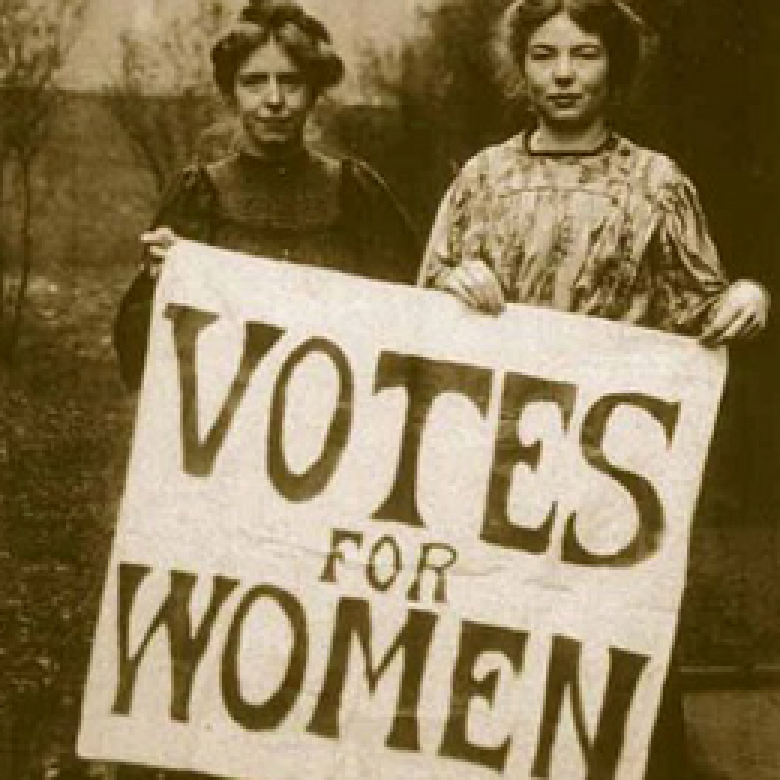
6th February 2018
On 6th February 1918 the Representation of the People Act was passed, giving women in Britain the right to vote for the first time.
This momentous occasion, 100 years ago today, was the first step in achieving equal voting rights with men. The 1918 act only applied to women over thirty who owned a property, but it still provided votes for 8.4 million, making up 40% of the electorate.
Women’s suffrage was a hard fought battle. While the 19th century had seen some gradual improvement to women’s rights, several attempts to introduce votes for women were overwhelmingly defeated in the House of Commons - the first in 1832. A number of suffrage groups formed. Millicent Fawcett, Emmeline Pankhurst, Christabel and Sylvia Pankhurst, Annie Kenney, Marion Dunlop, and Emily Davison were just a few of the thousands of women who campaigned, marched and protested to have their voices heard.
One year after the bill, the first female MP, Nancy Astor, would enter the Commons but it would take until 1928 before the Representation of the People Act was amended to entitle all women over the age of 21 to vote.
The battle for a vote was won by women. The battle for equal pay for equal work still has a long way to go. The battle for freedom from harassment goes on. What we can learn from our grandmothers and great grandmothers is that you don’t get if you don’t ask. And then you have to ask again. And then you have to insist. Good luck to everyone who has worked for human rights then and now.
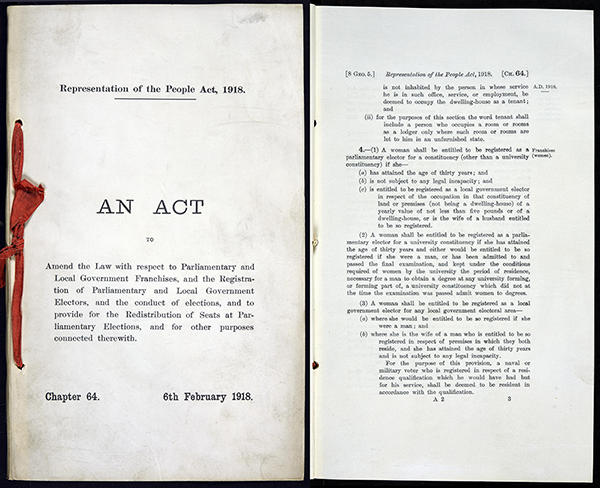
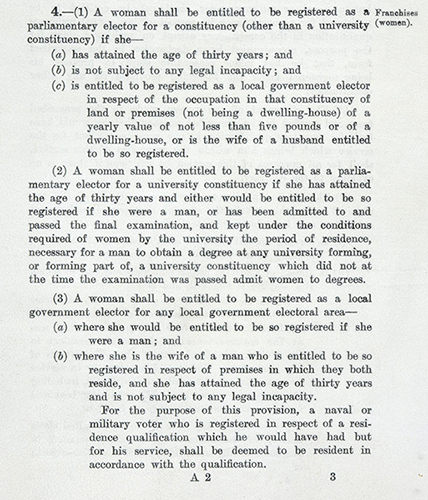
The Representation of the People Act, 6 February 1918. The National Archives, via Flickr Commons.
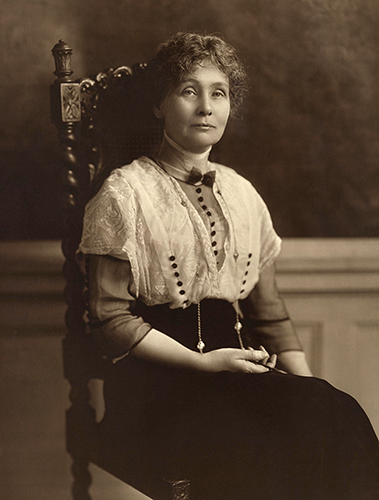
Emmeline Pankhurst, c.1913. Matzene, Chicago, via Wikimedia Commons.
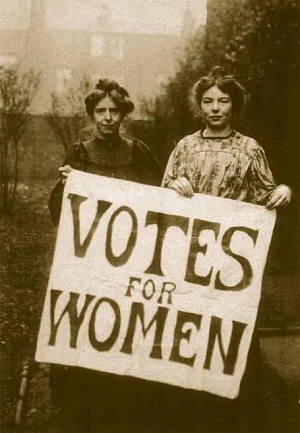
Annie Kenney and Christabel Pankhurst, c.1908, via Wikimedia Commons.
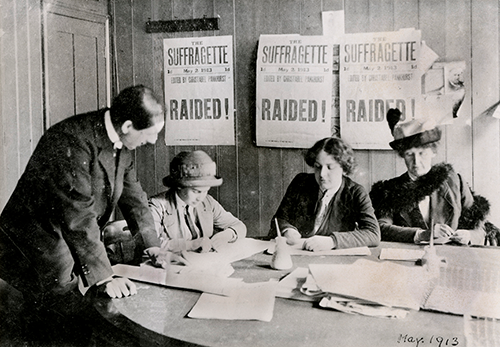
A Women's Social & Political Union (WSPU) office, 1913. LSE Library, via Flickr Commons.
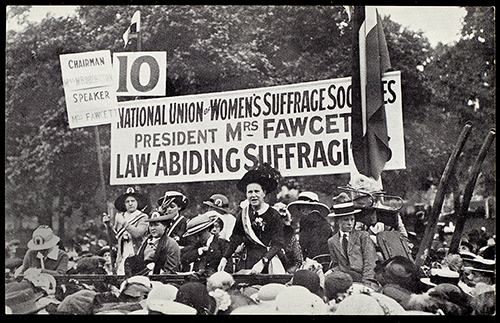
Millicent Fawcett's Hyde Park address, 1913. LSE Library, via Flickr Commons.
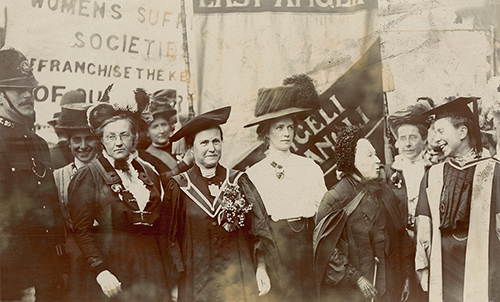
Frances Balfour, Millicent Fawcett, Emily Davies and others, c.1910. LSE Library, via Flickr Commons.