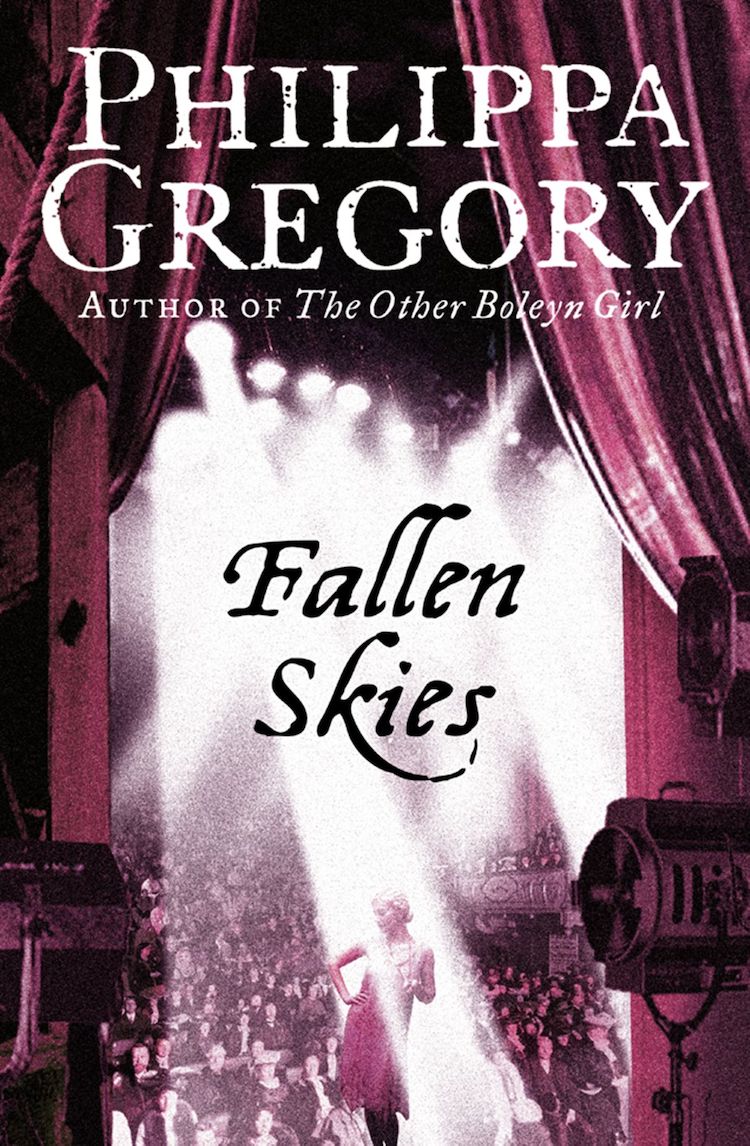
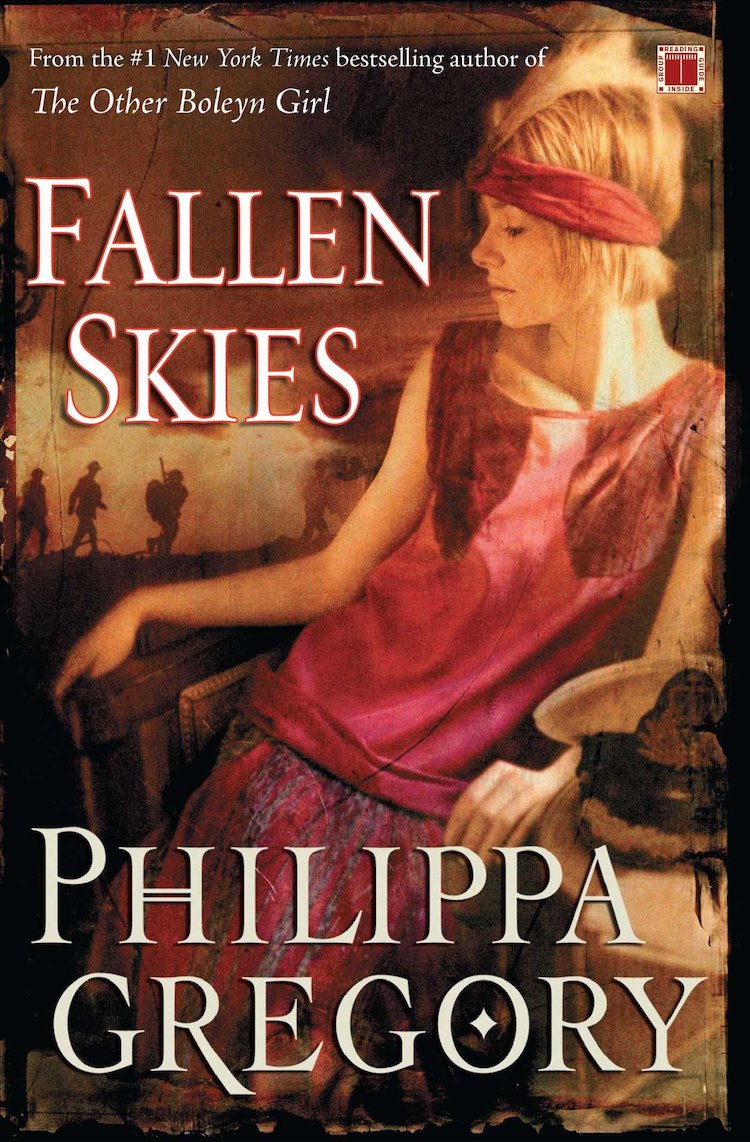
Fallen Skies is an extraordinary story of the turmoil and ugly legacy of the First World War from the bestselling author of Wideacre.
Lily Valance wants to forget the war; her father has been killed in France and several friends are dead or maimed beyond recognition. She wants to enjoy the world of the 1920s, a world of music, singing, laughter and pleasure. So when she meets dashing Stephen Winters, a decorated hero back from the front, she is drawn to his wealth and status. But Stephen is a man deeply scarred, still troubled by nightmares of the fighting on the plains of Flanders, alienated from his comfortable home, his family firm of solicitors, and close to no-one but his shell shocked mute batman, Coventry. When he marries Lily, he wants a wife who will help him forget, who will save him from the past and ease his sense of guilt at surviving where so many were lost.
Such hopes prove ill founded, for Lily is determined to continue her career as a music hall singer and has the courage to confront Stephen and the hypocritical facade of his mother’s house. With the help of her friend Charlie, Lily challenges the codes and restrictions of the silent Portsmouth home.
The birth of baby Christopher should signal a renewal of hope for the Winters family. But the hidden tensions come to a head. Stephen’s dreadful dreams merge ever closer with reality and the truth of what took place in the mud and darkness in 1918 brings him and all who have loved him to a terrible reckoning. The horrors of war refuse to melt away…
Released in 1993
One of the books where the fiction foretells the fact. I wrote this novel while I was trying for my second baby and in the novel the heroine gives birth to a blond 7lb boy - so did I.
Book opens in 1920
Great Britain is recovering from World War I and the lifting of restrictions created new sorts of night-life in London. Clubs, restaurants and dance halls catered for the new craze of jazz dancing. Wireless radio was to be the technological marvel of the decade. But is was also a period of depression, unemployment was high and mass production techniques started to replace traditional industry.
Downloads
Reviews
"The preeminent writer of historical fiction"
USA Today
"Superbly crafted....a fine book"
Daily Mail
"It is both uncompromising and brave"
Elizabeth Buchan, Daily Telegraph
"Gregory....leaves Tudor gowns behind for the Jazz Age in this addictive tale....of two wounded soldiers and the pervasive cost of war."
Kirkus Reviews Full Review